
3 min readEnhancewell
You may have seen the word "classical" on a studio's website and wondered what it signals. In Pilates it's one end of a spectrum, with contemporary approaches at the other. Neither is right or wrong, but knowing the difference helps you choose a class that fits you.
A Quick Bit of History
Joseph Pilates (1883-1967) developed his method in the early 20th century and called it Contrology. He designed a set of mat exercises and a family of spring-based apparatus, including the reformer, the Wunda Chair and the ladder barrel. After he moved to New York, his students went on to teach, and over the decades their teaching branched into different styles.
What Classical Pilates Means
Classical Pilates aims to preserve the method as Joseph Pilates taught it: his original repertoire of exercises, performed in a traditional order, on the original types of apparatus. The sequencing is deliberate, with exercises flowing from one to the next in a set pattern.
Instructors in this tradition still adapt the work to the individual by changing springs, props or range, but the overall structure stays recognizable.
What Contemporary Pilates Means
Contemporary Pilates keeps the core principles but updates the approach, often drawing on newer ideas about anatomy and movement. Instructors may reorder exercises, create new ones, bring in different equipment, or modify movements more freely to suit a client or a class format.
How to Tell the Difference
- Sequence: Classical tends to follow a set order. Contemporary is often tailored session by session.
- Exercise list: Classical sticks to the traditional repertoire. Contemporary adds variations and new exercises.
- Equipment: Classical studios use traditionally designed apparatus. Contemporary studios may add other equipment.
- Language: "Pilates-inspired" usually means a class borrows from the method without necessarily following it.
Which Should You Choose?
Choose a classical approach if you like structure, a clear progression and a strong link to the original method. Choose a contemporary approach if you want more variety or a lot of customization. Many studios blend both.
The best way to find out is to ask a studio how they teach. A good answer will describe their sequencing, how they adapt for different bodies, and what a first session looks like.
How We Teach at Enhancewell
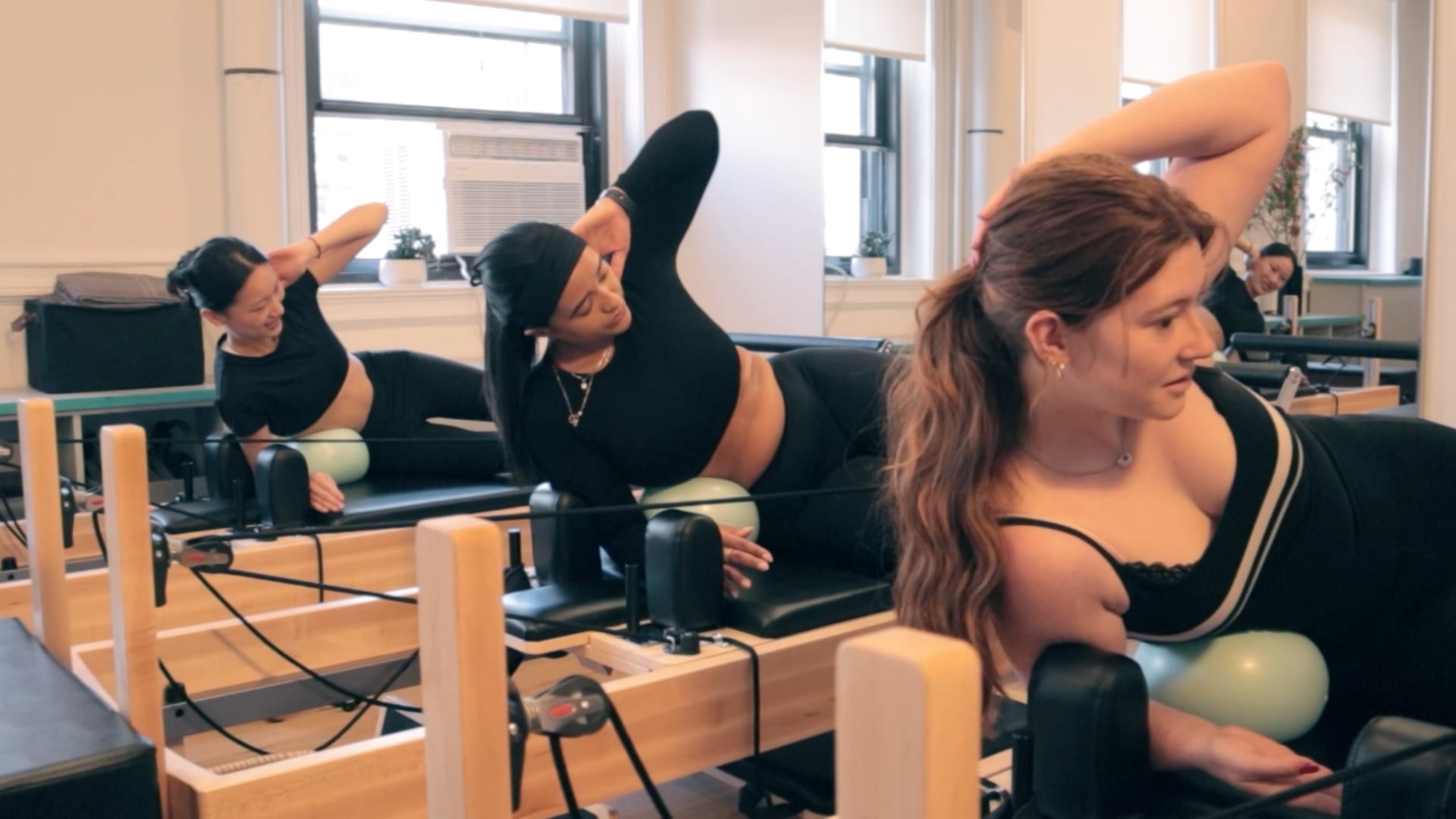
Our private sessions run on the full classical apparatus at our Union Square studio, with the work built around your body and goals. Our signature BURN combo class pairs classical Pilates moves with a fitness approach, so it isn't strictly either/or. And in every session, instructors adapt around any limits you tell them about.
Want to feel the difference? Book a private session or try BURN. To meet the equipment, read about the Wunda Chair and the Ladder Barrel. If the vocabulary is new, our beginner's guide to Pilates jargon helps.