3 min readEnhancewell
AI is here, and it’s not going anywhere. People are using it for everything from writing school essays to palm reading. Some even use it in lieu of therapy or for making decisions for government funding(yikes!).
Many have incorporated AI into their fitness regimen for weight loss tips, exercise routines, and diet plans. But, before you take ChatGPT as a fail-proof fact, let’s chat about how AI can and cannot (or shouldn’t) inform your fitness journey.
Harness AI to Empower Your Workout
When used as a tool to enhance the work you’re doing, AI can be an absolute game-changer. In fact, at the recent ATN Innovation Summit 2025, Rose Minar, Chief Marketing & Experience Officer, Lift Brands, Inc., said: “AI won’t replace humans. But humans who use AI will replace humans who don’t.”
So, how can you harness the power of AI to work for you?
If you use fitness wearables, AI is likely powering their technology. That same tech can be used to offer real-time feedback and results, even if you’re not seeing them externally yet.
Sharing your health data with AI can give you targeted results and up-to-the-minute advice. For example, Al Noshirvani, co-founder of Alta Technology Group, told the Health and Fitness Association, “MyFitnessPal integrates AI to provide real-time dietary and workout suggestions based on the user’s current activity levels, goals, and food intake.” Instead of waiting weeks or months for doctor or trainer feedback, “The app can adjust daily calorie targets and exercise recommendations dynamically.”
AI enables hyper-personalization in a field that can feel one-size-fits-all. If you take the time to understand what data to feed into the system, you’ll reap the rewards of a 24/7 personal trainer/ dietician/ nutritionist.
Here’s What AI Can’t (Or Shouldn’t) Do
AI has access to all the data in the world. But having information doesn’t mean it’s applied correctly every time. According to tests by OpenAI (ChatGPT’s creator), generative AI hallucinates 30-50% of the time. An AI hallucination is an incorrect or misleading result. In other words, if AI doesn’t know something, it usually makes up the answer it thinks you want.
A friend was working on his PhD and asked ChatGPT whether there were any books on his area of expertise. In response, ChatGPT shared a title, author, ISBN, and summary. Upon investigation, my friend found that the book doesn’t exist. Thankfully, he fact-checked.
The danger comes when people rely on AI for a diet or exercise plan without knowing how to fact-check for their unique situation. Hallucinations with unsafe suggestions can lead to injury.
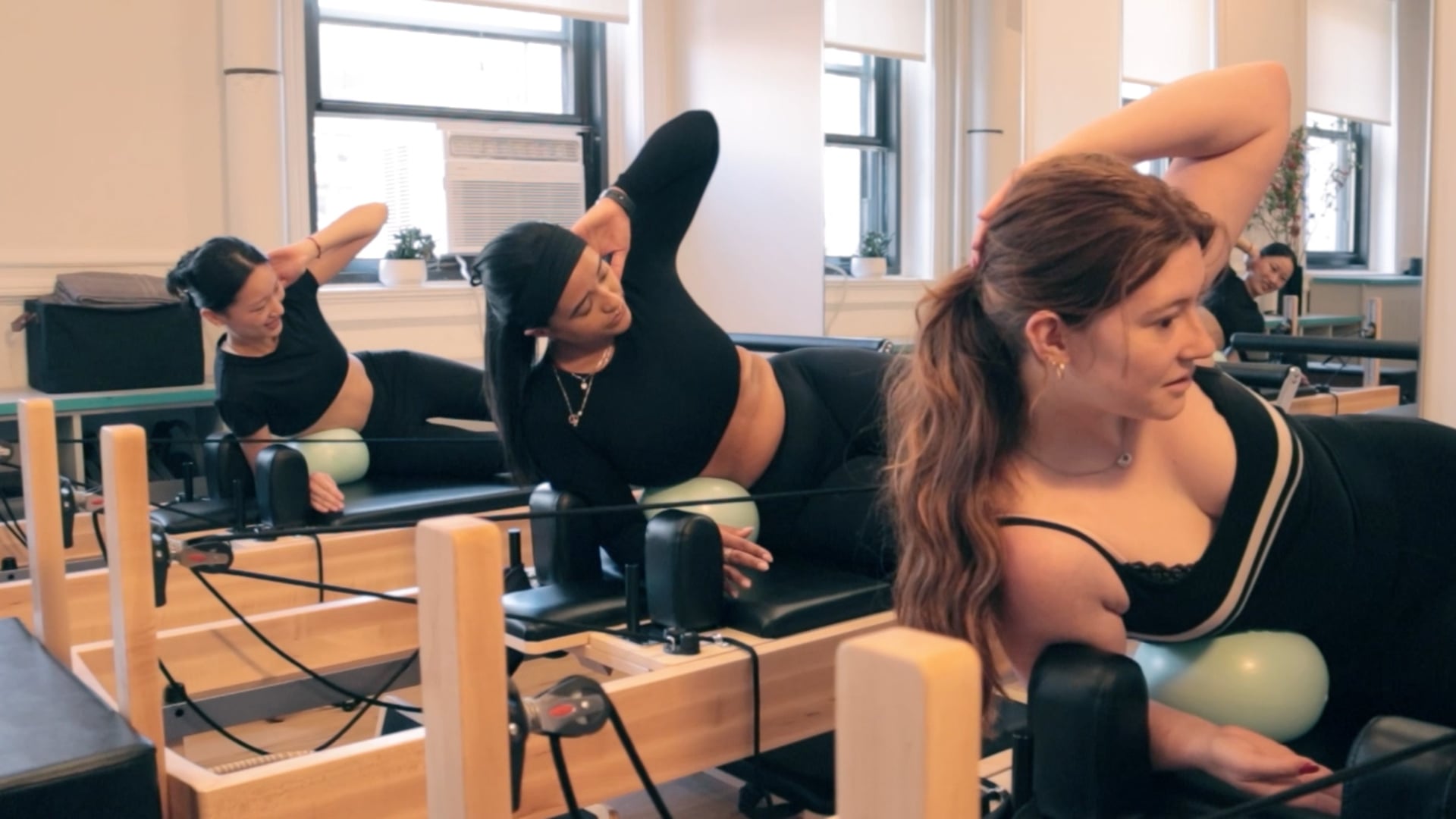
Enhancewell is a brick-and-mortar Pilates studio in Union Square, NYC, that employs real trainers with decades of experience. We tailor our classes and private lessons for students of all abilities to protect against injury while building strength and flexibility.
We’re all for innovation and using technology as a tool, but when it comes to your health and fitness, trust the human touch, because AI can’t correct your form like Enhancewell’s Pilates instructors can. Book your class or private session today!