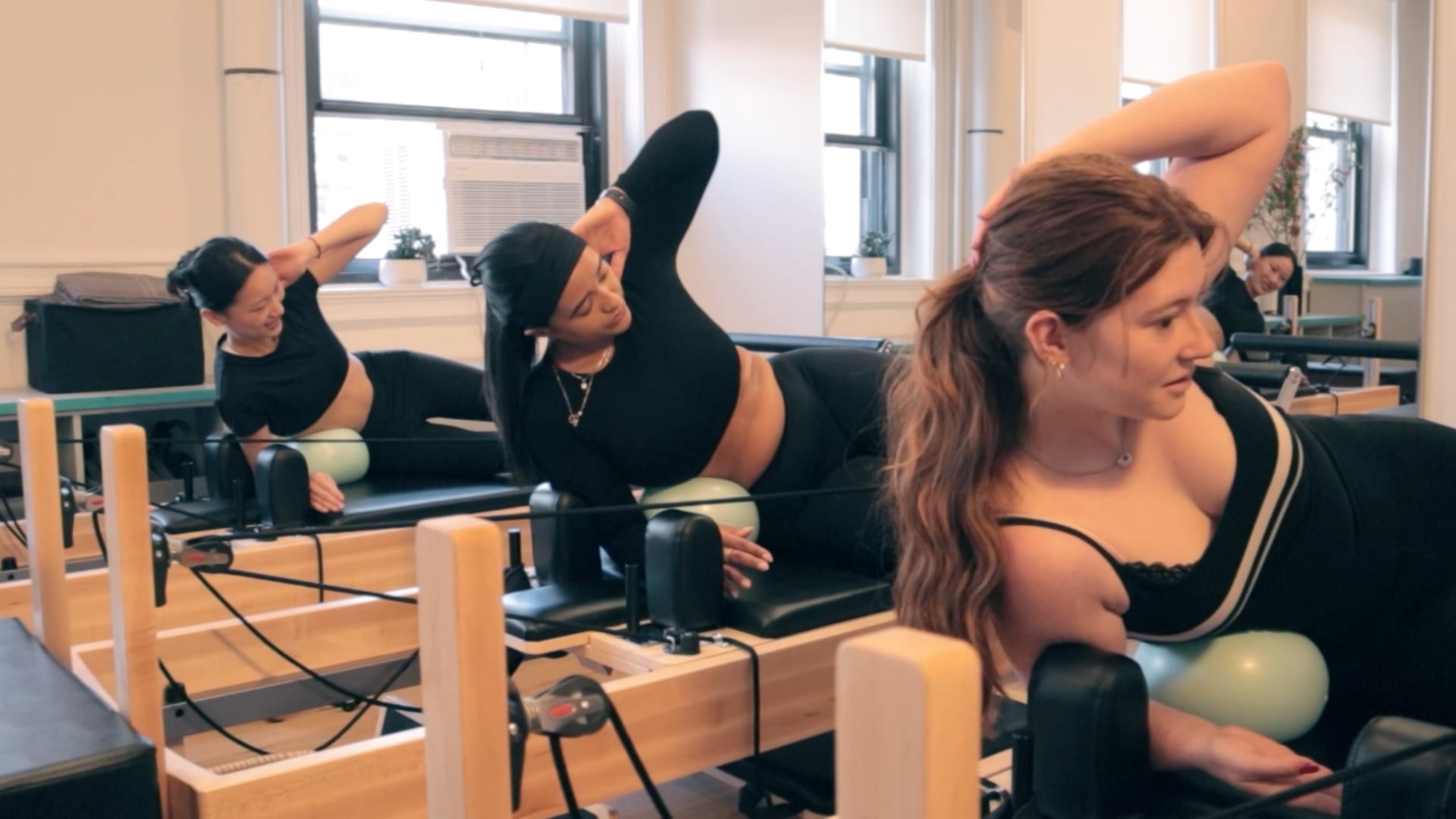

2 min readEnhancewell
Jab. Cross. Hook. Uppercross. If you’re into boxing, these are fundamental moves.
Upper crossed, on the other hand, isn’t a punch. It’s a syndrome that’s characterized by muscle imbalance that causes rounded shoulders, forward head posture, and upper back stiffness.
If you want to avoid becoming the Hunchback of the Upper West Side, we’ll teach you how Pilates can help you avoid the hump and alleviate back pain before it becomes permanent.
*What is Upper Crossed Syndrome? *
Upper crossed syndrome(UCS) is a condition where the “tight upper trapezius and levator scapulae dorsally cross with tight pectoralis major and minor muscles and weak deep cervical flexors ventrally cross with weak middle and lower trapezius muscles.” Real talk? It’s an imbalance in your muscles in an “X” shape: the upper back, back of the neck, and pectorals are tight, while the neck flexors and mid-back muscles are weak.
Enter: the question mark. Not the punctuation. The posture.
Left unchecked UCS will lead to rounded shoulders, a head that juts forward, and chronic shoulder and neck pain.
*Who’s at Risk For Upper Crossed Syndrome? *
Those who use computers are most at risk of experiencing UCS. If you assume the shrimp-like posture in front of your computer for as few as 3 hours per day, you may notice pain associated with UCS. Those who use computers more than 42 hours per week have the most significant risk.
It’s not just computer users, though. The weakness in the front neck flexors is often called “text neck,” due to the lengthening and weakening of the area from looking down at your phone all the time.
*How Can You Treat Upper Crossed Syndrome? *
The good news? Upper crossed syndrome, when caught early, is completely reversible. It just takes stretching, consistency, and better posture while working or scrolling.
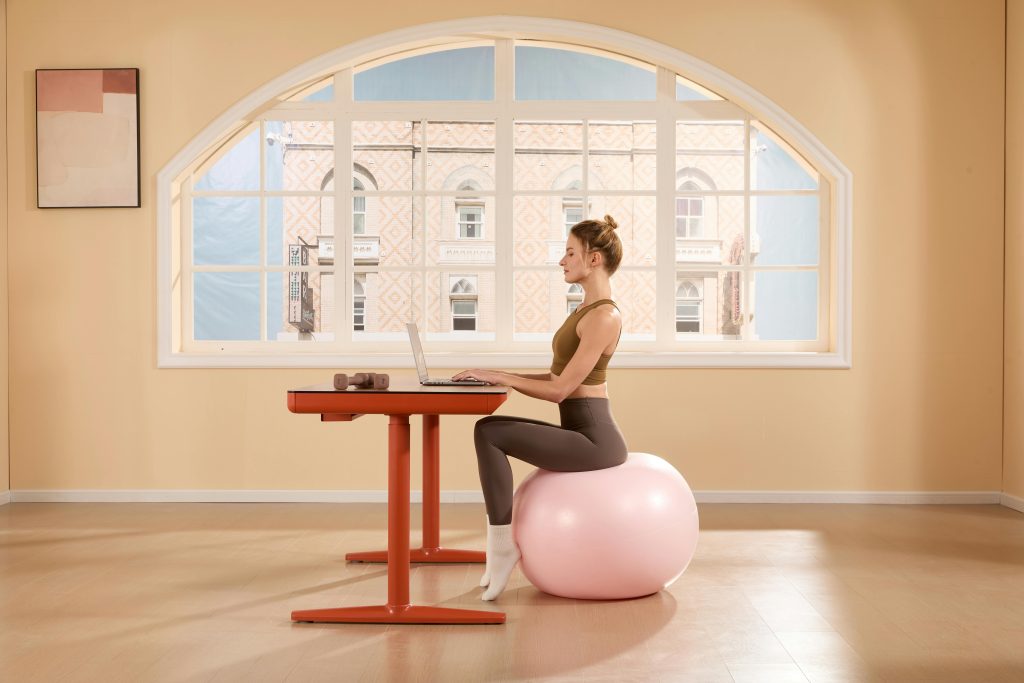
We’ve talked about the “X” of tight and weak muscles. Now, we want to reverse it, stretching your upper back, neck, and pectorals and strengthening your neck flexors and the muscles in the middle of your back.
Here are a few moves that can help you reduce your pain and straighten out your back:
Arm Circles
On the reformer, use light to medium springs to offer resistance as you complete arm circles going forward and backward. You’ll open your chest and strengthen your mid-back with this move.
Swan Prep
Here’s another exercise that will open your chest, stretching the tight pectoral muscles, while activating the muscles in your mid-back.
Cat-Cow
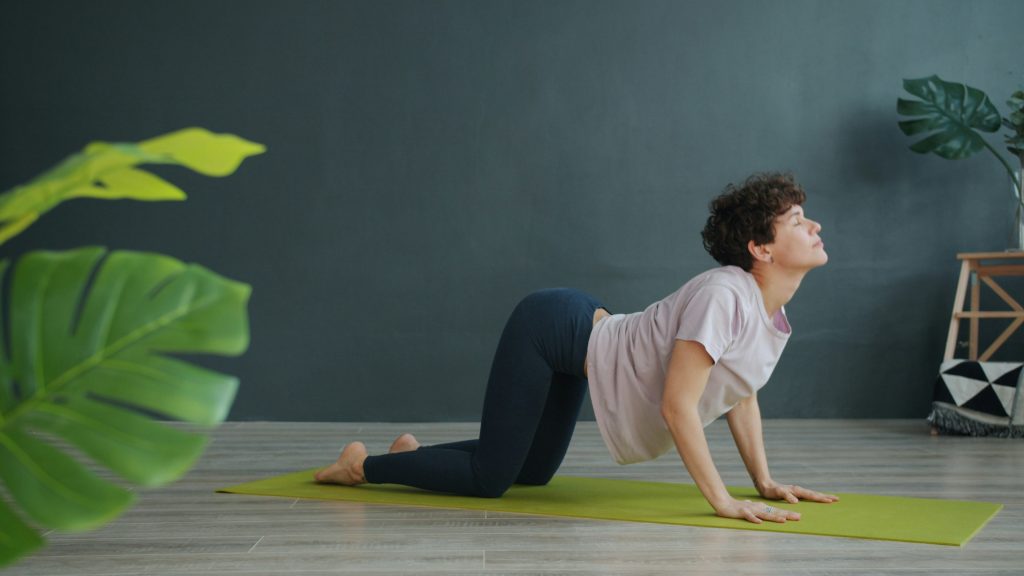
This move will help you open your chest, stretch your neck, and loosen your back. If you only do one move… make it this one!
Sign up for the Enhancewell Pilates Foundations Pack to jump-start your UCS healing. You’ll get two private sessions, where we’ll target your upper back, neck, and pectorals with Pilates stretches. We’ll perfect your form, so you can continue to practice at home. You’ll also get four single Pilates class passes, to set a routine that will move your body and open your chest.
With Pilates, you can turn your question mark posture into an exclamation point, with a straight back and pain-free zest for life!