
2 min readEnhancewell
Protein popcorn. Protein water. Protein Pop-Tarts. Starbucks’ protein cold foam. Protein gummy candy. Is there anything that can’t be protein-ified?
Over the years, dozens of fitness fads have dominated the media. From keto to paleo and Whole30 to eating for your blood type, the diets promise results you crave more than a Snickers bar after a month on the Atkins diet.
Have we gone too far with the protein craze, or have we finally cracked the code for losing weight and building muscle? Today, we’re talking about how much protein you actually need, why the protein craze is so hot right now, and what really works for weight loss and muscle tone.
Is Protein the Answer for Weight Loss and Muscle Building?

Why protein? Why now? As the use of GLP-1 drugs for weight loss increases, we’re seeing people struggle with maintaining muscle tone. We’ve shared our top exercises to combat GLP-1-related muscle loss, but exercise alone may not be enough.
Even without weight-loss drugs, protein earned its nickname “the building block of life” as a key component of your muscles, bones, skin, and hair.
Protein is being hailed as the latest “magic wand” in the wellness community for its ability to keep you feeling full longer while providing the amino acids needed to rebuild and repair muscle tissue after exercise.
How Much Protein Do I Need?
The Recommended Dietary Allowance (RDA) of protein is 0.36 grams per pound. Using this calculation, a 145-pound person should eat around 52.2 grams of protein per day. This Dietary Reference Intake calculator can help you calculate the amounts of protein and other nutrients you need based on your height, weight, gender, and activity levels.
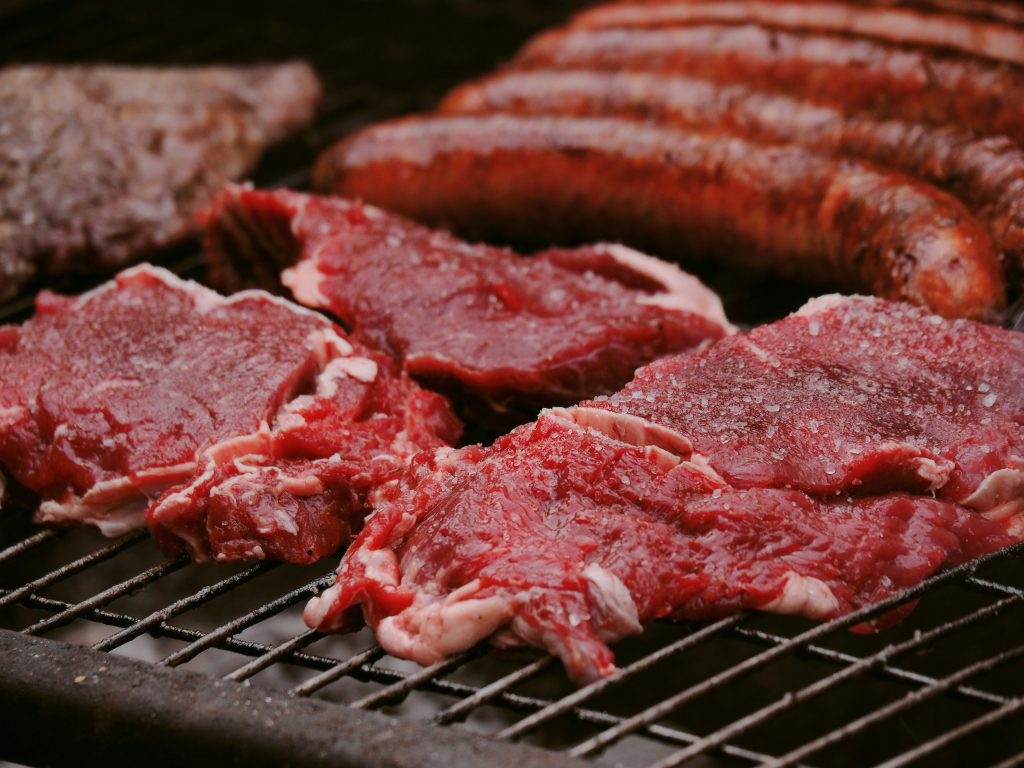
When most people hear “protein,” they think: meat, eggs, and cheese. While high in protein, these foods are also high in calories. For those trying to lose weight on a high-protein diet, consider other high-protein, low-calorie alternatives, such as egg whites, skinless chicken breast, tinned tuna in water, lentils, and low-fat cottage cheese.
Is There a Downside to Protein?
Protein is an essential macronutrient, but as in all things, too much of a good thing is a bad thing. Overindulging in protein can lead to bad breath (aka keto breath), dehydration, fatigue, and digestive discomfort. Protein needs are personal—based on activity levels and body composition—so what works for one person may be excessive for another.
Check with a healthcare professional or nutritionist for personalized insights on what’s best for your body.
Protein Plus…
Protein alone isn’t a magic cure. Protein plus vegetables will help you get the nutrients your body really needs to thrive. Protein plus exercise will help you build and tone your muscles and support your weight-loss journey.
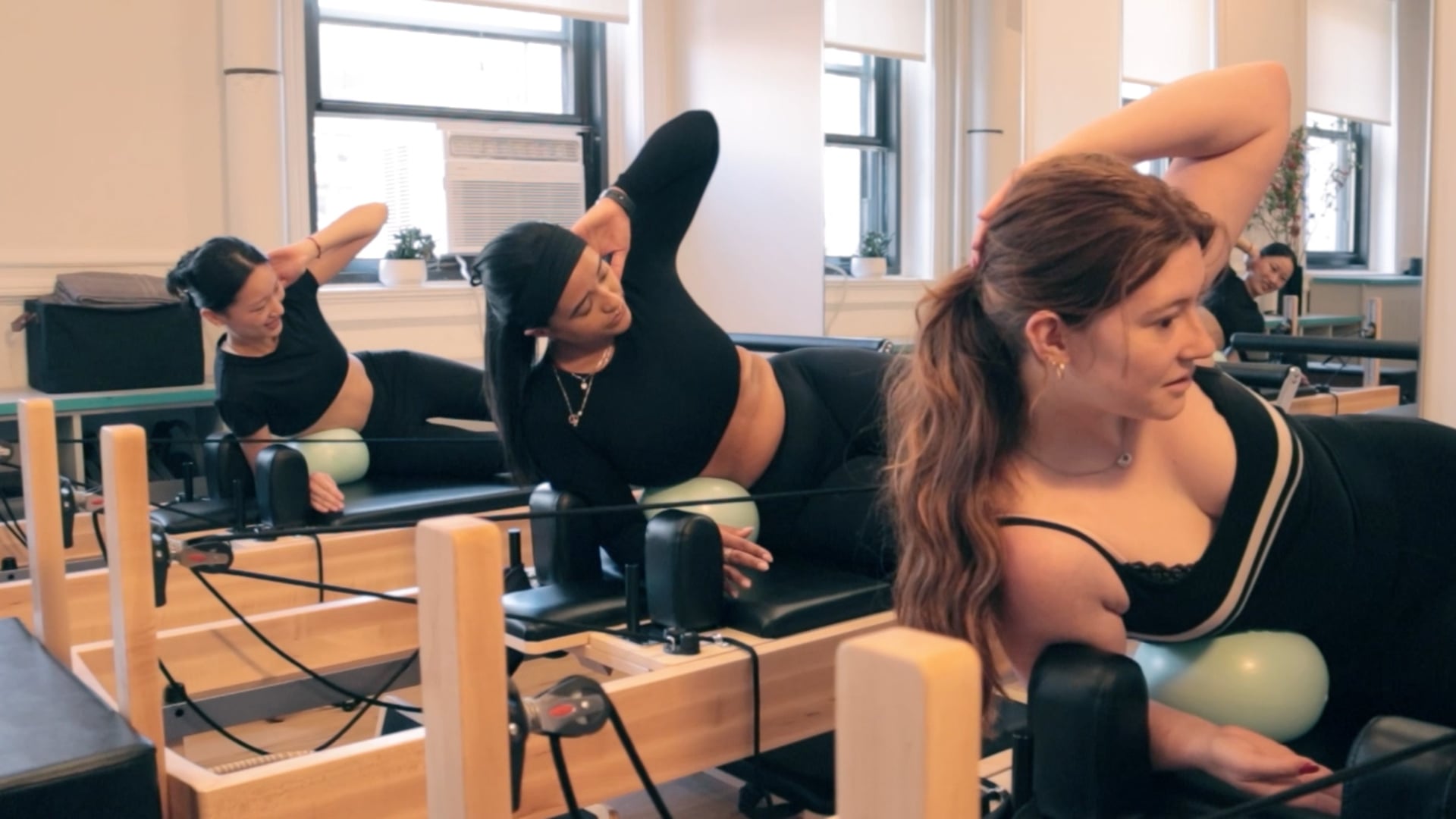
Protein alone isn’t enough. But when you add other healthy habits, protein can help you accelerate your weight loss while preserving muscle. Sign up for an Enhancewell Collective Pilates class to work your muscles, and be sure to pack a high-protein post-workout snack to boost results!