

2 min readEnhancewell
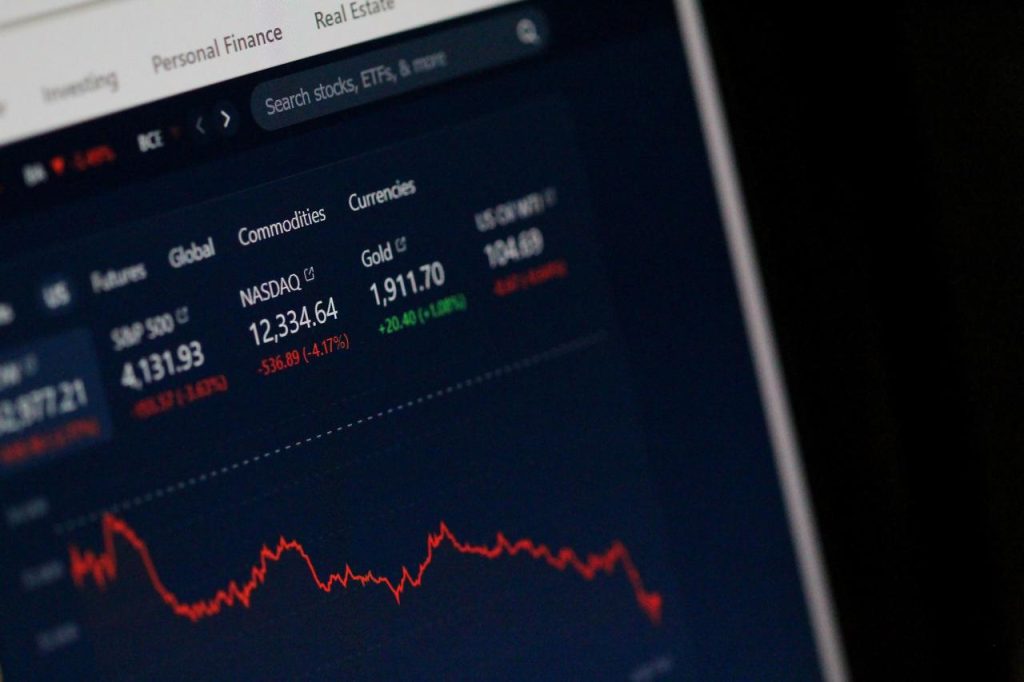
Just a few short years ago, the world was a different place. Everyone was adapting to a “new normal,” and words like Zoom and Peloton entered our vernacular. When the at-home fitness trend peaked, Peloton stock was valued at around $171 per share, worth nearly $50 billion. But that was then, and this is now. Last year, the at-home fitness giant laid off more than 5,000 employees.
In February, at-home fitness startup Tonal Systems Inc. announced that it would be fundraising with a valuation of $500 million or less— far lower than last year’s $1.9 billion. Does this spell the end of at-home fitness? Is it possible to reimagine the industry, and your offerings, to reflect the new landscape?
What is Tonal?
Before we can conclude what happened at Tonal, let’s learn more about the company. Touted as high-end fitness technology, Tonal’s $3,995 machine uses electromagnetics to create electronic resistance in a single weight machine. Famous athletes like Serena Williams and LeBron James are investors and brand ambassadors for the revolutionary, science-based home gym.
Why did its value drop so drastically?
Since its launch in 2015, Tonal has yet to become profitable, cutting 35% of its staff last summer in a bid to turn a profit and go public.
Bloomberg reported that the brand raised $250 million at a $1.6 billion valuation in 2021 and $100 million at a $1.9 million valuation in 2022. Now, it’s fundraising at a valuation of around $500 million. The company’s capital-intensive business model and supply chain issues, paired with the reduced demand for at-home fitness technology, appear to be the leading causes behind the valuation drop.
Can an at-home fitness brand see success today?
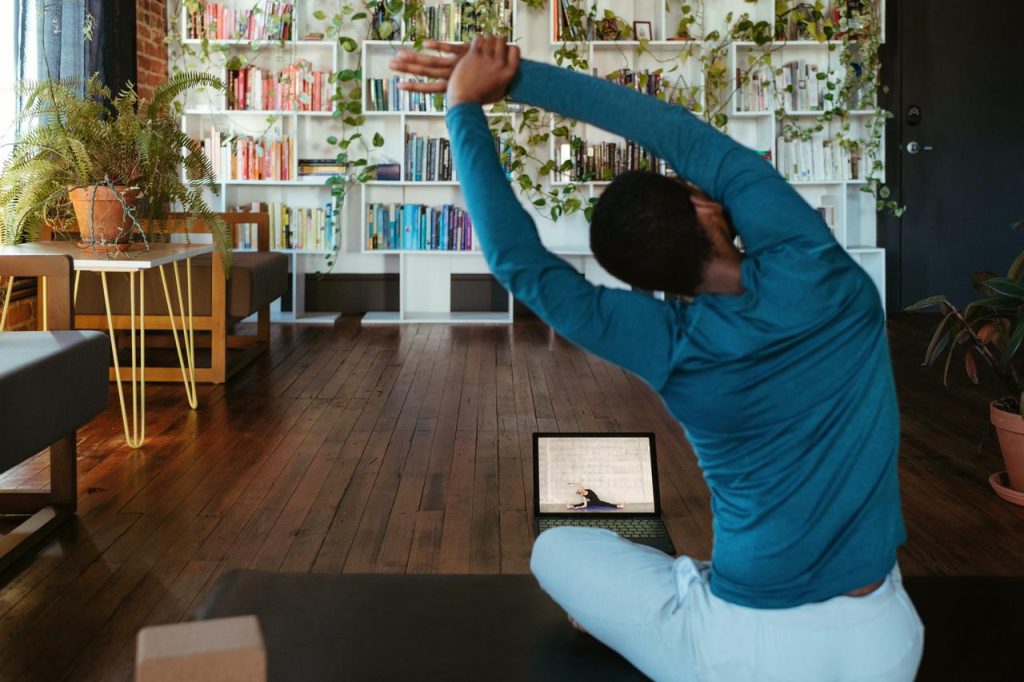
During the pandemic, we watched at-home fitness brands skyrocket in popularity. Has the moment passed? Absolutely not. The beauty of the rise of at-home fitness during the early days of the Covid-19 pandemic was the ability to work out at home when nothing else was open. Clients no longer needed to sit in traffic, wait for their turn on the equipment, or work around the gym’s scheduled opening hours.
Now that the world has opened up again, at-home fitness isn’t the only option. However, it is the only option for flexibility and freedom in your fitness routine.
For many lucky enough to keep their jobs during the pandemic, fewer expenses meant more expendable cash. High-cost fitness technology costs less than a trip overseas— and travel wasn’t happening anyways.
Now, at-home fitness brands aren’t just competing with gyms. They compete with every other way people want to spend their time and money. To succeed in today’s market, fitness brands must:
- Consider price point - can your target audience afford your product, and will they want to spend their money on what you’re offering?
- Get current customers talking - a happy, loyal fan base is your best marketing tool.
- Find a way to give customers the connection of in-person training with the flexibility of at-home
Don’t get swept up in the wave of at-home fitness technology. The team at Enhancewell Consulting can help you set your brand apart— even as others fail. Get in touch today for a free consultation.