
3 min readEnhancewell
Pilates and yoga often get lumped together. Both can be low-impact, both are done on a mat, and both tend to attract people who want to feel better in their bodies. But they come from different traditions, move differently, and ask different things of you. Here's how to tell them apart.
Where Each Practice Comes From
Yoga is an ancient practice from India that combines postures, breathing techniques and meditation. Modern studio classes usually emphasize the postures and breath, with styles that range from slow and restorative to fast and athletic.
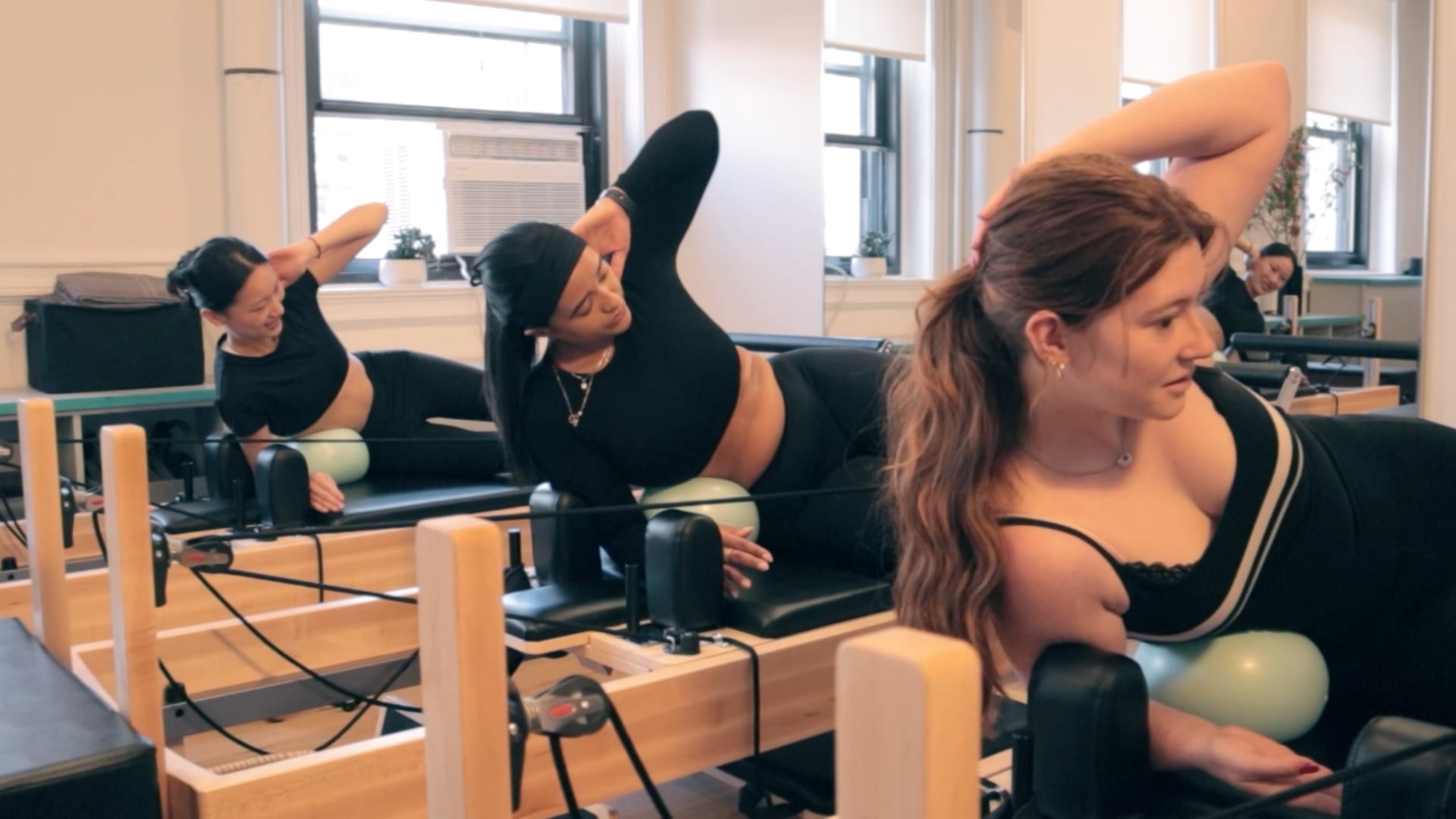
Pilates is much newer. Joseph Pilates developed it in the early 1900s and called it Contrology. It's an exercise system built around controlled, precise movement with a strong focus on the trunk, and much of it uses spring-loaded apparatus such as the reformer.
The Main Differences
- Pace: Pilates is usually deliberate and controlled, often with repetitions at a steady tempo. Yoga ranges from long holds to flowing sequences, depending on the style.
- Equipment: Pilates can be done on a mat, but much of the method uses apparatus with springs that add resistance or support. Yoga classes mostly use a mat and simple props like blocks and straps.
- Focus: Pilates centers on core stability, alignment and muscular control. Yoga places more emphasis on range of motion, balance and, in many classes, meditation and relaxation.
- Feedback: In a small Pilates session you'll often get frequent, specific cues about how you're moving. Yoga classes vary, from detailed alignment teaching to a more flow-based pace.
What They Have in Common
Both emphasize breath and body awareness, and both can be adapted for different levels. Neither requires you to be fit, flexible or experienced before you start.
How to Choose
- Choose Pilates if you like structured, detailed coaching, want to build strength against spring resistance, or want a method with clear steps for progressing.
- Choose yoga if you want longer holds, a meditative element, or a practice built around exploring flexibility and balance.
- Choose both if you like variety. Plenty of people do, and the two complement each other well.
There's no wrong answer, and your preference can change. The best practice is the one you'll actually show up for.
A Note on Flexibility
A common reason people hesitate on either one is thinking they aren't flexible enough. Flexibility isn't a prerequisite for Pilates, and good instructors in both traditions adapt movements to where you are today.
Trying Pilates at Enhancewell
Enhancewell teaches Pilates, so we can't speak for any particular yoga studio's format. If you'd like to feel the difference, our group classes run 50 minutes with no more than six people, and private sessions give you an instructor's full attention. Not sure whether the reformer or the mat suits you? Read reformer vs. mat Pilates.